A melhor dica que damos a quem chega pela primeira vez é esta: vá ao centro histórico na hora errada. Não às onze da manhã, quando as vans de excursão chegam — vá às oito, antes de o comércio abrir, ou no fim da tarde, quando os visitantes de bate-volta já foram e os lampiões acendem sobre as ruas de pedra. É quando Paraty parece o que é: uma cidade que o século XVIII construiu e esqueceu de demolir.
Por onde você está andando
Paraty enriqueceu no início do século XVIII como o porto onde o ouro de Minas encontrava o mar a caminho de Lisboa. O dinheiro ergueu as igrejas e os casarões; a decadência que veio depois os preservou, porque ninguém tinha dinheiro para derrubar nada. Em 2019, a UNESCO inscreveu Paraty e esta costa de mata — juntas, cultura e floresta — como Patrimônio Mundial.
As ruas são calçadas de pé-de-moleque, pedras grandes e arredondadas que são de verdade difíceis de pisar. Use sapato baixo com sola de verdade. E conheça o melhor truque da cidade: as ruas mais próximas do cais foram assentadas baixas de propósito, para que nas marés mais altas o mar suba por elas e as lave. Se você estiver aqui em lua cheia ou nova, pode ver uma rua virar canal por uma hora. Não é enchente; é faxina, com três séculos de idade.
As igrejas, em resumo
A Paraty colonial organizava suas igrejas por classe social, e todas continuam de pé: Santa Rita (1722), a do cartão-postal à beira d'água; o Rosário, erguido pela e para a comunidade negra; as Dores, da elite de então; e a grande Matriz na praça principal, que levou quase um século para ficar pronta. Dá para ver as quatro numa tarde sem pressa.
Como fazemos a partir da casa
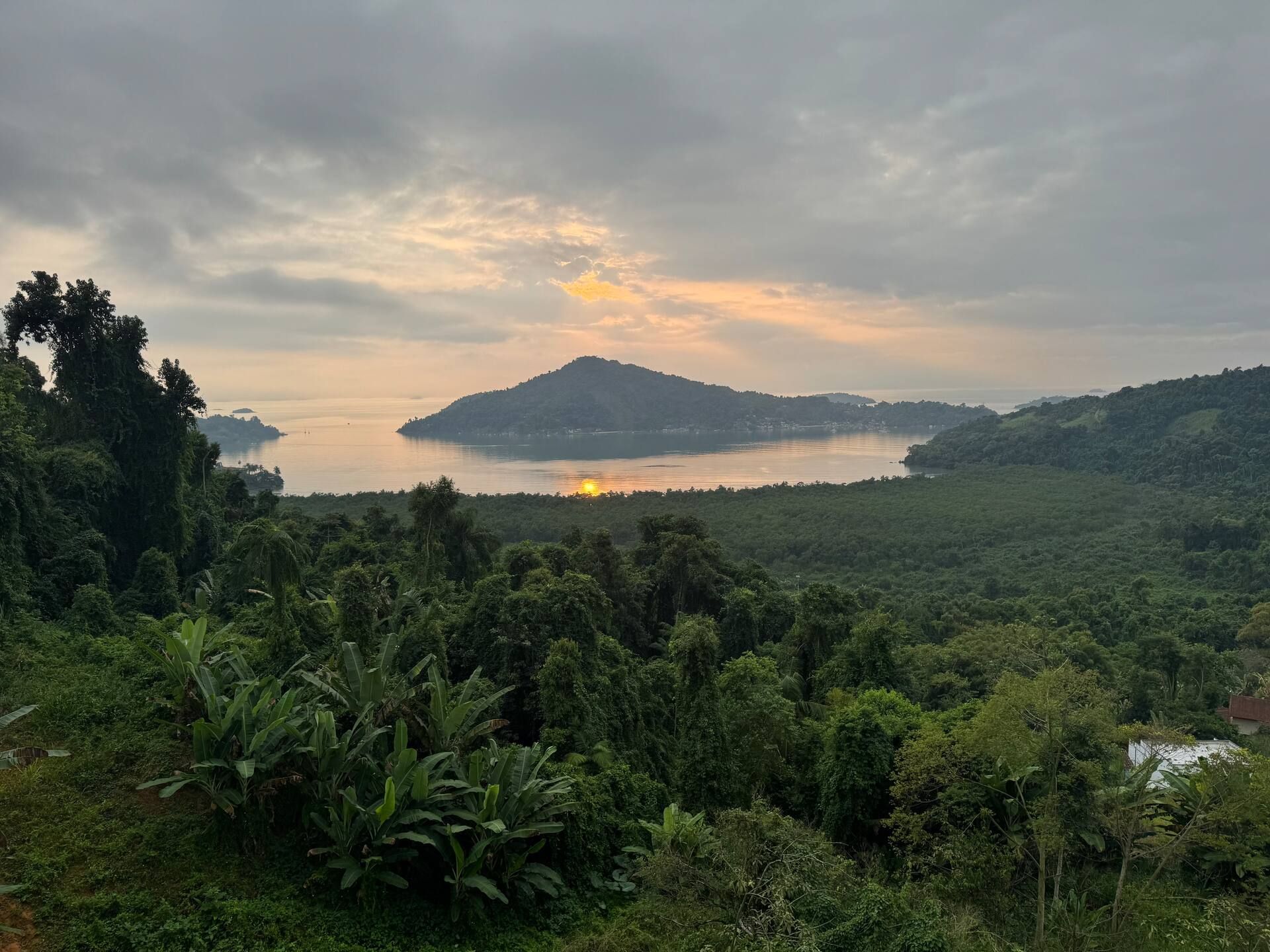
Praia ou piscina durante o dia e, lá pelas cinco, morro abaixo. Estacione fora do centro histórico (ele é fechado para carros), ande pelo traçado sem plano nenhum, veja a luz dourar a cal das fachadas e escolha o restaurante lendo cardápios nas portas — os casarões guardam de clássicos de frutos do mar a cozinhas contemporâneas sérias. Na maioria dos fins de semana tem música ao vivo escapando de algum lugar. Depois, casa, morro acima, onde a vista noturna da baía espera na varanda.